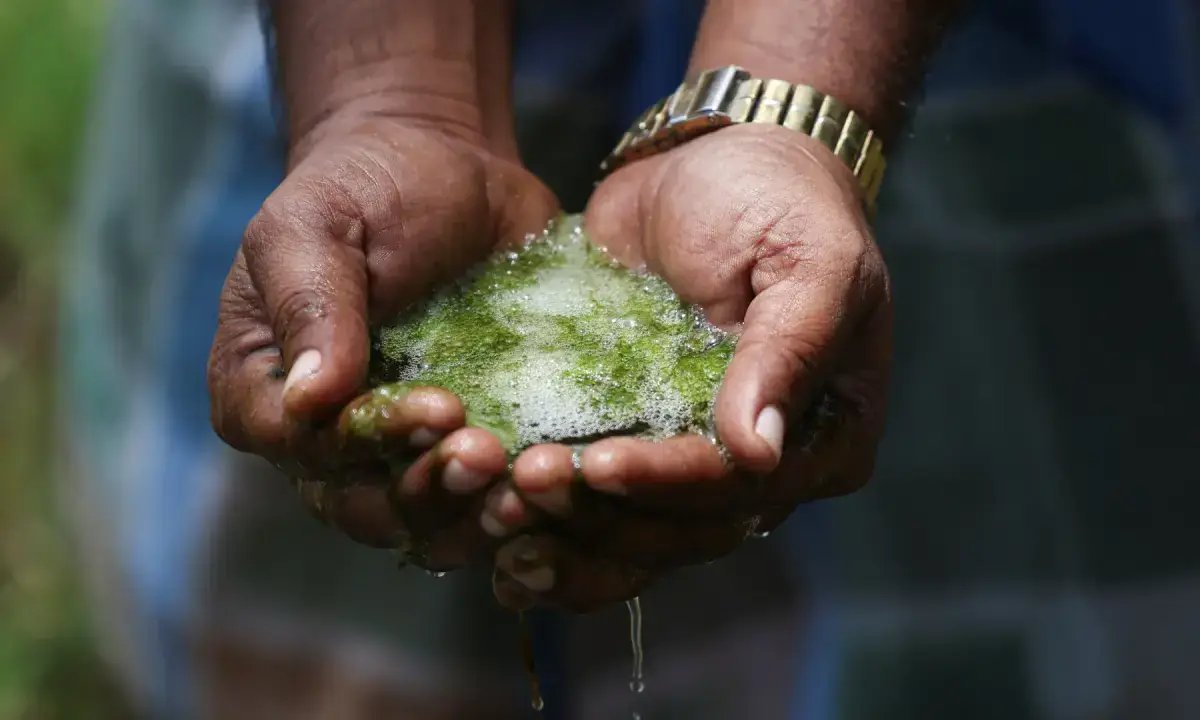
An Indian state health authority is investigating how liquid discharged from Apple supplier Tata’s iPhone components factory has affected farmers, some of whom complained about skin issues from contamination in their farmlands, according to three officials. a document reviewed byReuters.
The health investigation opens a new front in an environmental dispute. has become a test case forIndia’s pushto become a major manufacturing hub for Apple iPhones.
The Tata Electronics plant in Hosur in southern Tamil Nadu state was sent a warning notice by the state pollution control board on May 25 for allegedly contaminating groundwater in adjacent farms.
Tata said in a statement this week. the pollution board had dropped its scrutiny after confirming its analysis of recently collected water samples from inside the facility did “not indicate any contamination”.
The pollution board. the state have not commented on the matter and did not respond toReutersemails and phone calls requesting comment. Apple has also not commented on the situation and did not respond toReuters’ requests.
According to government sources. a letter, health officials in the district have been running their own investigation since at least late May after farmer complaints about the plant, which opened in 2021 and makes iPhone back covers and some other parts.
A health inspection found discharge from the Tata plant had caused a “severe foul smell”. left water “unsuitable for animals to drink”, according to a May 27 letter sent by Anish Parvin, a government medical officer in the Ullugurukkai village, where the plant is located, to the state-run Institute of Vector Control and Zoonoses in Hosur.
“Wastewater released from Tata Electronics… has accumulated in nearby agricultural lands. is contaminating the clean water present in wells nearby,” read the letter, which is not public but was reviewed byReuters.
“It has also been reported that people are experiencing skin-related health issues due to this contamination.”
Parvin toldReutersshe received complaints from farmers about health issues, although no cases had yet been clinically established.
Two water samples from the farms have been submitted by health officials to a state government laboratory for testing. a government source said.
Both samples tested positive for E. coli. bacterium found in sewage that indicates faecal contamination of the water supply, according to a report from the district public health laboratory dated May 30, obtained byReuters.
The probe by state health officials. whichReutersis reporting for the first time, remains ongoing with a second set of results from tests still awaited, said Rajesh Kumar C, a senior government official who oversees public health in the region.
The dispute has pitted a farming community against the Tata Group, an industrial giant that is one of Apple’s most important Indian suppliers. central to Apple’s drive to diversify production beyond China.
India is on track to make 26 per cent of the world’s iPhones in 2026. up from 6pc four years ago, according to research firm Counterpoint.
Tamil Nadu is a major manufacturing hub, with another Tata iPhone assembly plant there,. Samsung and Hyundai Motor also operating large factories.
The scrutiny on the Tata plant followed complaints from farmers, which led the Tamil Nadu Pollution Control Board to seek an explanation from the company. warn that its plant could be shut.
Newly revealed documents show farmers first raised their concerns in a December 8 letter to Tata.
The letter, from a local social justice group. 15 farmers, alleged wastewater from the plant had fouled their streams, ponds and groundwater, leaving them unable to cultivate.
Reuterscould not establish if Tata responded to the letter.
A person familiar with the matter said a pump failure occurred at the Tata plant’s water treatment unit in December, leading to some treated sewage flowing into its rainwater harvesting pond,. then overflowing into a lake outside.
Tata acted immediately to stop the overflow and the pump was repaired, the person added.
Apple’s supplier code of conduct requires suppliers to “identify, control, and reduce wastewater” and “conduct routine monitoring” of treatment systems.
It also requires suppliers to “prevent contamination of stormwater runoff” and comply with all environmental permits.
The pollution regulator also collected samples in April from two open wells near the plant.
Results, reviewed byReuters, showed total dissolved solids (TDS) — a measure of minerals, salts. metals in water — at 1,084 and 1,286 milligrams per litre.
That is more than double the 500 mg/l that the Bureau of Indian Standards considers acceptable for drinking water.
“Industrial pollution can increase TDS. Currently, without treatment, it is unsuitable not only for human consumption but also for fisheries. wildlife,” said Nidhi Paliwal, co-founder of Indian non-profit Paani Earth Foundation, who reviewed the test reports forReuters.
A publicly available 2023 Tata environmental study showed water quality at locations around the plant met Indian safe drinking standards.
This week,Reutersvisited the plant site twice and interviewed more than a dozen farmers.
The farmers scooped up water from an open well that appeared black in colour. At points along the factory wall,Reuterssaw accumulated water that appeared green and scummy.
Farmers allege the contamination has damaged some crops and made land infertile.
“If we sow seeds with this water, they sprout —. then they wither and die,” said Gurumoorthy V, 40, who used to grow tomatoes, beans and rice on his land nearby.
Reuterscould not independently verify the claim or immediately assess the water quality.
The dispute briefly turned tense on Monday when a man from the farmers’ group crossed onto Tata’s land to photograph a pond they alleged held wastewater, prompting one guard to fetch a firearm from a vehicle. carry it on his shoulder.
The group responded, saying “shoot us”, before the standoff ended.
Discussion
Sign in to join the thread, react, and share images.